
Hormones Matter: Considerations for Treating Women with MSK Problems

Hormones Matter: Considerations for Treating Women with MSK Problems
This course includes
The instructors
Overview
Hormonal influences on musculoskeletal (MSK) health are often underrepresented in clinical education, despite their relevance across the lifespan of women. This introductory course provides a foundational overview of how hormonal fluctuations may influence tissue health, pain presentation, and clinical reasoning in women with MSK conditions.
Designed as a starting point, this course introduces key physiological concepts and clinical considerations rather than offering advanced protocols or in-depth treatment frameworks. Participants are encouraged to use this course to broaden perspective, spark curiosity, and begin integrating hormone-aware thinking into MSK practice.
Led by Carolyn Vandyken and Susan Clinton, the course emphasizes clinical reflection, interdisciplinary awareness, and practical context—particularly for clinicians who have not previously considered hormones as a factor in MSK presentations.
Several participants note that the course is intentionally introductory and includes discussion of future learning opportunities, making it especially suitable for clinicians who are new to this topic.
This course is part of a larger series. You can find all of the courses in this series by going here.
Learning Objectives
By the end of this introductory course, participants will be able to:
-
Describe basic hormonal influences on musculoskeletal tissues and pain sensitivity
-
Recognize how hormonal changes across the lifespan may impact MSK presentations in women
-
Identify clinical scenarios where hormonal considerations may be relevant to assessment and management
-
Reflect on past or current cases using a broader biopsychosocial and physiological lens
-
Determine next steps for further learning in hormone-informed MSK care
Audience
This course is intended for healthcare professionals seeking an introduction to hormone-related considerations in MSK practice, including:
-
Physiotherapists and physical therapists
-
Occupational therapists
-
Chiropractors
-
Athletic therapists and exercise professionals
-
Other clinicians working with women experiencing MSK pain or injury
This course is particularly well suited for clinicians who:
-
Have limited prior training in hormonal physiology
-
Work with female patients across different life stages
-
Want a conceptual foundation before pursuing more advanced education on this topic
Participant Feedback
Participants consistently describe this course as engaging, thought-provoking, and foundational, with many expressing interest in learning more:
“Really interesting course… exactly what I came for.”
“I had not considered hormones in my female population. This was very useful info and I'm keen to learn more.”
“Wow! Great info… perked interest!”
“This topic was very interesting and I would like to learn more about the role of hormones in MSK injuries.”
Some participants also note that the course includes substantial introductory content and references to future learning opportunities—reinforcing its role as an entry-level exploration rather than an advanced clinical course.
The instructors
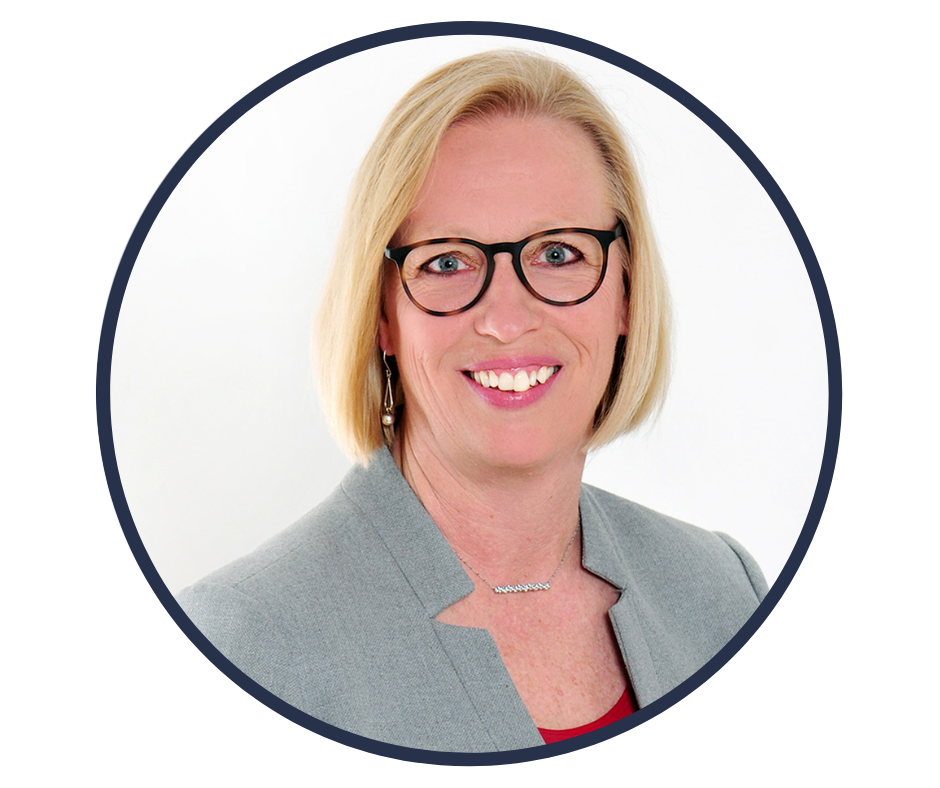
BHSc (PT), CredMDT, CCMA
Carolyn is the co-owner of Reframe Rehab, a teaching company engaged in breaking down the barriers internationally between pelvic health, orthopaedics and pain science. Carolyn has practiced in orthopaedics and pelvic health for the past 37 years. She is a McKenzie Credentialled physiotherapist (1999), certified in acupuncture (2002), and obtained a certificate in Cognitive Behavioural Therapy (CBT) in 2017.
Carolyn received the YWCA Women of Distinction award (2004) and the distinguished Education Award from the OPA (2015). Carolyn was recently awarded the Medal of Distinction from the Canadian Physiotherapy Association in 2021 for her work in pelvic health and pain science.
Carolyn has been heavily involved in post-graduate pelvic health education, research in lumbopelvic pain, speaking at numerous international conferences and writing books and chapters for the past twenty years in pelvic health, orthopaedics and pain science.

PT, DScPT, OCS, WCS, COMT, FAAOMPT WHC NBC-HWC
Dr. Clinton is an award-winning physical therapist in professional achievement and the owner of LTI Physio in Sault Ste. Marie, MI. Susan is board certified in orthopedic and women’s health physical therapy, a fellow of the American Academy of Orthopedic Manual Therapy, and a board certified health and wellness coach.
She is an international instructor/mentor of post-professional education in women’s health (including GI issues in women), orthopedic manual therapy, health/wellness coaching for the health care practitioner and business psychology. She is on faculty at Andrews University in the Doctor of Science in PT program, a Master Coach for the Integrative Women’s Health Institute, a reviewer for the Journal of Womens Health Physical Therapy and a clinical faculty instructor for the North American Institute of Orthopedic Manual Therapy and ASPIRE. She is also an active author in research and blog posts, and is an active professional/clinical mentor. Susan is the co-founder and board member for the foundation: Global Women’s Health Initiative. She is also the co-host of the 5 five-star podcast, “Tough to Treat,” the guide to treating complex patients, and “The Genius Project,” reframing the treatment of persistent musculoskeletal pain.
Susan enjoys walking / hiking, country line dance and ballroom, and is an avid supporter of music, the arts, and international objectives for women’s health.
Material included in this course
-
Welcome and Resources
-
Welcome and Slides
-
Introduction
-
Estrogen and MSK Changes
-
Lifestyle Changes
-
Questions
-
Feedback
Patient education included in this course
-
Hormones and Musculoskeletal (MSK) Health
How can I get this course for free?
Embodia Membership gives you access to a wide range of evidence-based courses, clinical tools, and resources all in one place. As a member, this course (and many others) is included at no additional cost, helping you save time and money while staying up-to-date in your practice.
If you’re not yet a member, non-members can still access the course for a one-time fee. Joining Embodia unlocks this course plus hundreds of hours of additional education and clinical resources, making membership the most convenient and cost-effective way to continue learning.
You can learn more about membership options available on the Embodia membership pricing page.
Is a certificate of completion included with this course?
Once you have completed the course, a certificate of completion (including learning hours and course information) will be generated. You can download this certificate at any time. To learn more about course certificates on Embodia please visit this guide.
This can be used for continuing education credits, depending on your professional college or association. If this course has been approved for CEUs in specific jurisdictions, it will be noted on the course page and CEU information may be added to your course certificate. Please read this guide for more information.
This course has patient education. Can I share it with my patients?
Yes, patient education included in courses or resource packages on Embodia can be shared directly through the Embodia platform. A Tier 2 or 3 Membership is required to share education. These memberships include a range of other features. You can learn about patient education on Embodia here, and about memberships on Embodia here.